




In an age of constant consumption and digital overload, more people are choosing simplicity over excess. The rise of the minimalist living guide 2026 reflects a shift toward intentional living, where individuals focus on what truly adds value to their lives. Minimalism is not about sacrifice; it is about clarity, purpose, and long-term fulfillment.
Understanding Minimalist Living
Minimalist living is the practice of owning fewer possessions and eliminating unnecessary distractions to focus on what matters most. For those exploring how to live minimally in 2026, the goal is not to remove everything but to keep only what serves a purpose or brings genuine satisfaction.
This approach applies not only to physical belongings but also to time, finances, and mental space. People following the minimalist living guide 2026 often experience increased focus, reduced stress, and greater control over their lives.
The Financial Benefits of Minimalism
One of the most compelling reasons people adopt minimalism is financial freedom. The connection between the benefits of money and happiness is clear when individuals begin to spend more intentionally.
By reducing unnecessary purchases, people save money that can be redirected toward investments, savings, or meaningful experiences. Fewer possessions also mean lower maintenance, storage, and replacement costs. Those who declutter life with minimalism 2026 often find themselves in a stronger financial position within a short period.
Minimalism encourages conscious spending, helping individuals avoid impulsive buying and focus on long-term financial goals. Over time, this creates stability and reduces financial stress.
How Decluttering Improves Mental Health
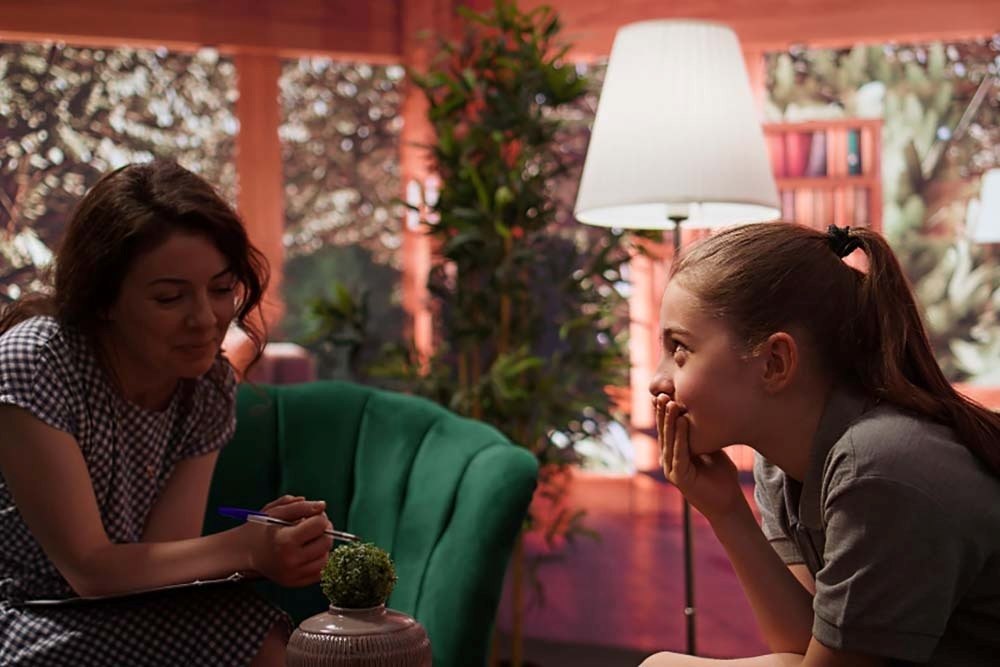
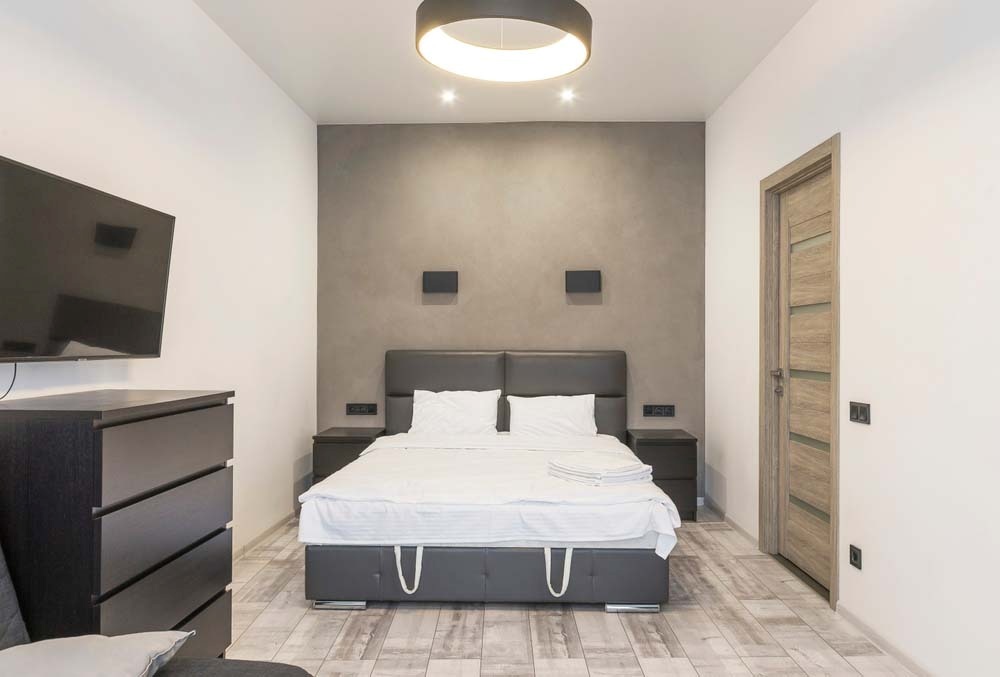
Clutter does not just affect your physical environment; it also impacts your mental well-being. A crowded space can lead to feelings of overwhelm, distraction, and anxiety. By choosing to declutter life minimalism 2026, individuals create a calmer and more organized environment.
A clean and simplified space promotes better focus and productivity. It also reduces decision fatigue, as fewer items are competing for attention. Many people report improved mood and better sleep after adopting minimalist habits.
The minimalist living guide 2026 emphasizes that mental clarity often begins with physical simplicity. When your surroundings are organized, your thoughts become clearer and more manageable.
How to Start Living Minimally in 2026
Starting a minimalist lifestyle does not require drastic changes. For those learning how to live minimally in 2026, small and consistent steps are the most effective.
Begin by focusing on one area of your home, such as a closet or workspace. Remove items you no longer use or need. Ask yourself whether each item serves a purpose or adds value to your life.
Next, evaluate your spending habits. Identify areas where you can reduce unnecessary expenses. This reinforces the connection between the benefits of money and happiness.
Building mindful habits is essential. Avoid replacing items immediately after decluttering. Instead, adopt a mindset of intentional consumption, where every purchase is carefully considered.
Minimalism Beyond Physical Possessions
Minimalism is not limited to decluttering your home. The minimalist living guide 2026 also applies to digital and emotional aspects of life.
Simplify your digital environment by reducing unnecessary apps, emails, and notifications. Limit your commitments to focus on activities that truly matter. Strengthen meaningful relationships while letting go of those that add stress or negativity.
Learning how to live minimally in 2026 means creating space in all areas of life, not just your physical surroundings.
Why Minimalism Is Growing in 2026
The popularity of minimalism continues to rise due to modern lifestyle challenges. Increasing financial pressures, mental health awareness, and the desire for freedom are driving people toward simpler living.
The trend of declutter life minimalism 2026 reflects a broader cultural shift. People are prioritizing experiences over possessions and seeking balance in a fast-paced world.
Minimalism offers a practical solution by helping individuals focus on what truly matters while eliminating unnecessary distractions.
Minimalism is not about having less for the sake of it; it is about making room for more meaningful experiences and opportunities. By following the minimalist living guide 2026, individuals can achieve greater financial stability, improved mental health, and a more intentional lifestyle.
The relationship between minimalism, benefits, money, and happiness becomes evident as you simplify your life. By learning how to live minimally in 2026, you can create a balanced and fulfilling life that aligns with your values.
FAQ’s
Q1. What is minimalist living and how do I start?
A: Minimalist living involves reducing unnecessary possessions and focusing on what adds value. Start by decluttering small areas and adopting mindful spending habits.
Q2. Does minimalism actually save money?
A: Yes, minimalism reduces unnecessary expenses and encourages intentional spending, leading to increased savings and financial stability.
Q3. How does decluttering improve mental health?
A: Decluttering creates a clean and organized environment, which reduces stress, improves focus, and enhances overall well-being.
Q4. What are the first steps to becoming a minimalist in 2026?
A: Begin by decluttering one area at a time, evaluating your spending habits, and building consistent habits of intentional living.