





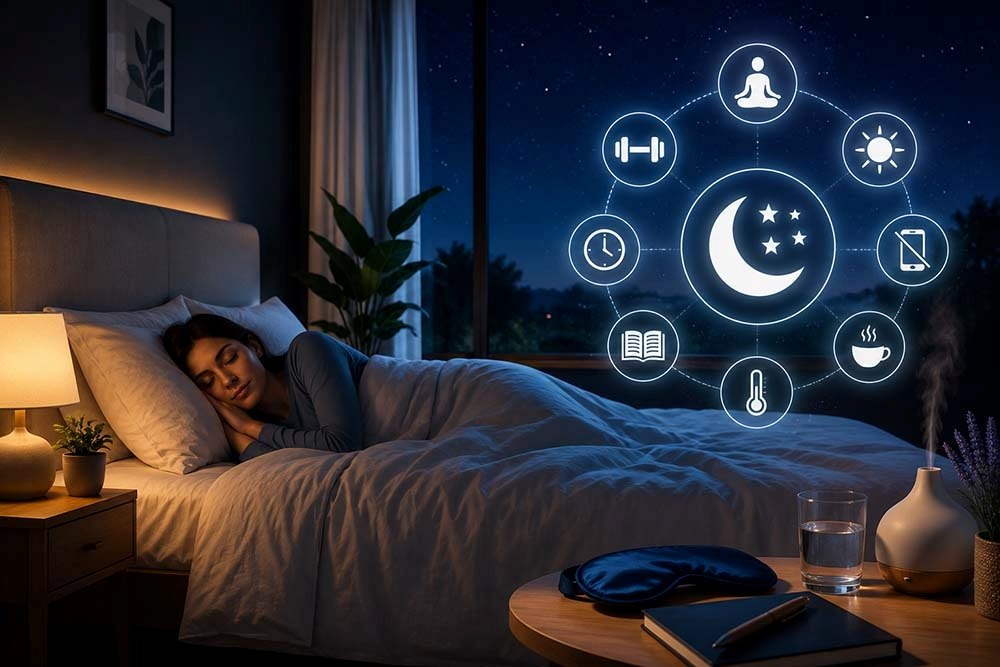
Sleep has become one of the most important pillars of health, yet millions of people continue to struggle with falling asleep, staying asleep, or waking up feeling refreshed. As research continues to evolve, health experts are moving beyond trendy sleep hacks and focusing on habits supported by scientific evidence. Understanding sleep optimization habits 2026 can help you improve physical recovery, cognitive performance, mood, immune function, and overall well-being.
Rather than relying on quick fixes, effective sleep optimization focuses on creating consistent behaviors and environmental conditions that support healthy sleep patterns over the long term.
What Is Sleep Optimization?
Sleep optimization refers to the process of improving both the quantity and quality of sleep through evidence-based lifestyle adjustments. The goal is not simply to spend more hours in bed but to achieve deeper, more restorative sleep.
People searching for how to optimize sleep 2026 often discover that small daily habits have a greater impact than expensive gadgets or unproven supplements. Consistency remains one of the strongest predictors of healthy sleep outcomes.
The most successful sleep optimization habits 2026 strategies focus on sleep schedules, light exposure, bedroom environment, physical activity, nutrition, and stress management.
Maintain a Consistent Sleep Schedule
One of the most science-supported recommendations for anyone seeking to improve sleep quality naturally in 2026 is maintaining consistent sleep and wake times.
Your body operates according to an internal circadian rhythm that regulates sleep, alertness, hormone production, and metabolism. Irregular bedtimes can disrupt this biological clock and reduce sleep quality.
Health experts consistently identify regular sleep schedules as one of the best sleep habits science backed 2026 approaches because they strengthen the body’s natural sleep-wake cycle and improve sleep efficiency.
Optimize Bedroom Temperature
Temperature plays a significant role in sleep quality. As the body prepares for sleep, core temperature naturally decreases. A cooler environment helps facilitate this process.
Research continues to support maintaining a bedroom temperature of approximately 16°C to 19°C (60°F to 67°F) for most adults. Individual preferences vary, but cooler sleeping environments generally promote deeper and more restful sleep.
For individuals exploring how to optimize sleep in 2026, adjusting room temperature is often one of the simplest and most effective changes available.
Manage Light Exposure Strategically
Light exposure has a profound effect on sleep regulation. Natural sunlight helps regulate circadian rhythms and promotes alertness during the day, while excessive artificial light at night can interfere with melatonin production.
Among the most important sleep optimization habits, the 2026 recommendations are increasing morning sunlight exposure while reducing bright light exposure during the evening.
Blue light emitted by phones, tablets, computers, and other electronic devices may contribute to delayed sleep onset when used close to bedtime. Creating a dimmer environment before sleep can help improve sleep quality naturally, 2026, without requiring significant lifestyle changes.
Prioritize Physical Activity
Regular exercise remains one of the best sleep habits science backed 2026 strategies. Physical activity supports sleep quality by reducing stress, improving mood, and promoting deeper sleep stages.
Moderate aerobic exercise and resistance training have both been associated with improved sleep outcomes. While exercise timing can vary by individual, many people benefit from avoiding highly intense workouts immediately before bedtime.
Consistency is more important than intensity when using exercise as part of a sleep optimization plan.
Build a Relaxing Pre-Sleep Routine
The transition from wakefulness to sleep is often smoother when the body receives consistent cues that bedtime is approaching.
Many experts recommend activities such as reading, stretching, meditation, journaling, breathing exercises, or listening to calming music. These behaviors help reduce mental stimulation and prepare the nervous system for rest.
Individuals learning how to optimize sleep 2026 often find that a predictable evening routine improves both sleep onset and overall sleep quality.
Nutrition and Caffeine Awareness
What you consume throughout the day can significantly affect sleep. Excessive caffeine intake, particularly during the afternoon and evening, can interfere with sleep onset and reduce sleep depth.
Heavy meals, alcohol consumption, and large amounts of fluid close to bedtime may also disrupt sleep quality.
Those seeking to improve sleep quality naturally in 2026 should pay attention to how dietary habits influence their individual sleep patterns and make adjustments accordingly.
Evidence-Based Sleep Supplements
While lifestyle habits remain the foundation of sleep optimization, certain supplements have shown scientific support for specific situations.
Melatonin is among the most studied sleep-related supplements and may be helpful for circadian rhythm disruptions, jet lag, or certain sleep timing issues. Magnesium may support relaxation in some individuals, particularly when deficiencies exist.
However, experts generally emphasize that supplements should complement—not replace—the core sleep optimization habits 2026 that produce the greatest long-term benefits.
Before beginning any supplement regimen, individuals should consult a qualified healthcare professional to determine appropriateness and safety.
Focus on Sustainable Improvements
The most effective sleep strategies are often the simplest. Consistent schedules, proper light exposure, cooler sleeping environments, regular exercise, and healthy lifestyle habits continue to outperform many popular sleep trends.
By implementing these best sleep habits science-backed 2026 recommendations, individuals can create sustainable improvements in sleep quality that support long-term health, energy, and performance.
FAQ’s
Q1. What is sleep optimization, and how do I start?
A: Sleep optimization involves improving sleep quality and quantity through evidence-based habits. Start by maintaining a consistent sleep schedule, improving your sleep environment, managing light exposure, and developing healthy daily routines.
Q2. What temperature is best for quality sleep?
A: Most experts recommend a bedroom temperature between 16°C and 19°C (60°F to 67°F), although personal comfort preferences may vary slightly.
Q3. How much does light exposure affect sleep quality?
A: Light exposure significantly influences circadian rhythms and melatonin production. Morning sunlight supports healthy sleep-wake cycles, while excessive evening light can delay sleep and reduce sleep quality.
Q4. What supplements are evidence-based for improving sleep in 2026?
A: Melatonin has substantial evidence supporting its use for certain sleep timing issues. Magnesium may also be beneficial in some cases. Lifestyle habits remain the most important and effective foundation for improving sleep quality.